
Fleet Accident Management: Incidents, Claims & Costs
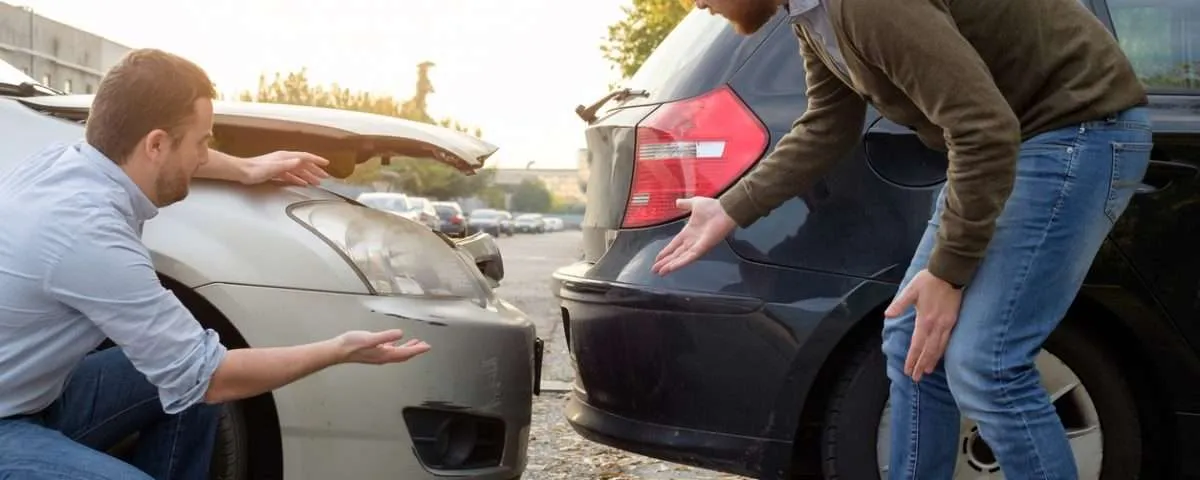
Accident management is the end-to-end process a fleet uses to handle collisions and incidents - from the moment something happens through driver safety, reporting, claims, repair or total loss, and lessons learned.
A mature program standardizes each stage: what drivers do at the scene, how evidence is captured (photos, dashcam footage, telematics data), how claims are filed and negotiated, and how vehicles return to service with minimal downtime. It also closes the loop afterward — post-incident reviews that address root causes such as training gaps, route design, or vehicle specification, and cost recovery through subrogation (recovering your costs from the other party's insurer when your driver isn't at fault).
Why It Matter In Fleet Operations
The repair bill is only the visible part of an accident's cost. Around it sit rental and loaner fees, lost revenue from missed trips, administrative hours, legal exposure, higher insurance premiums, and the reputational damage that comes with letting a customer down.
A tight process reduces all of these. Clear at-scene procedures protect drivers and lower incident severity. Accurate, complete documentation speeds claim approvals. Smart vendor management trims labor and parts costs. Fast triage decisions — repair or write off — prevent weeks of wasted rental days while a borderline vehicle waits for a verdict.
Just as important, disciplined analysis feeds prevention. Every incident reviewed properly means fewer repeats, safer roads for your drivers, and lower premiums over time.
First 24 hours playbook
Driver safety first
Move to a safe area if possible, turn on hazards, set warning triangles, check for injuries, and call emergency services when required.
Notify and document
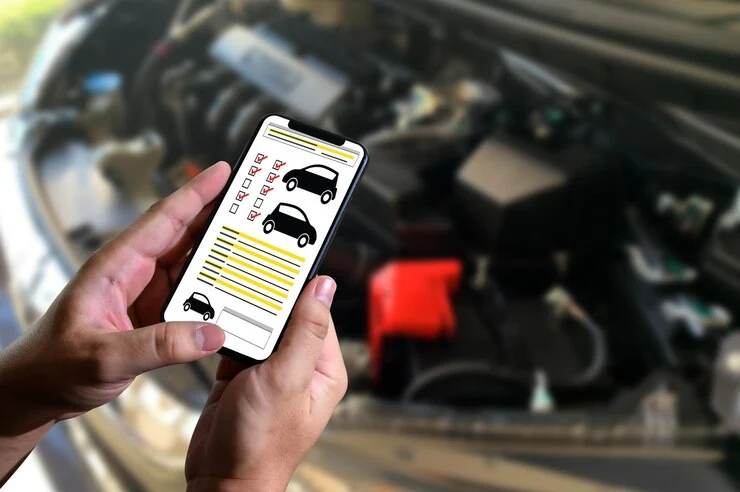
One touch in the mobile app calls dispatch and opens a guided checklist: photos of all sides plus VIN, cab, scene, and road signs; a dashcam clip request; date, time, and GPS; weather and lighting notes; and damage notes on any third-party property.
Exchange information
Driver licenses, insurance details, and plate numbers — plus witness names and phone numbers while they're still on scene.
Statements and testing
A short, factual driver statement, and post-incident drug and alcohol testing where company policy or regulation requires it.
Triage decision
Is the vehicle safe to drive? If not, arrange a tow to a preferred shop. If ADAS sensors (the cameras and radar behind driver-assistance features) are affected, mark the vehicle "do not drive."
Carrier notice
Report to the insurer or third-party administrator (TPA) the same day, with all evidence packaged, and log the claim number back to the case record.
Spare or rental plan
Trigger the loaner or rental workflow immediately if downtime will threaten service levels.
Cost Drivers and Levers
Severity of damage
Modern vehicles carry costly ADAS sensors, bumper radar, and calibration requirements. Lever: use certified shops that can calibrate in-house, so the repair doesn't stall waiting on a third party.
Parts availability and pricing
Backorders stretch cycle time. Lever: preferred repair networks with fast-moving parts in stock and negotiated markups; evaluate aftermarket, OEM, and remanufactured options where appropriate.
Labor hours and rates
Complex repairs — aluminum bodywork, EV high-voltage systems — raise hours. Lever: match the vehicle type to the right shop capability and pre-agree rates.
Administrative friction
Incomplete files stall adjusters. Lever: an evidence checklist and a single packet submission — photos, dashcam clip, telematics snapshot, police report, and estimates together.
Rental and loaner days
The hidden giant of accident cost. Lever: decide early on total loss, audit repair ETAs, order parts before bodywork starts, and redeploy trips to spare vehicles.
Liability allocation
At-fault versus not-at-fault determines your subrogation potential. Lever: preserve exonerating data — video, speed against the limit, traffic light status — and escalate promptly to recover costs.
Diminished value and downtime recovery
Both are sometimes recoverable from third parties. Lever: document lost revenue and availability impact thoroughly from day one.
KPIs and continuos improvement
Accident frequency and severity
Events per million miles or kilometers, and average paid loss — segmented by depot, route type, and vehicle class.
Cycle time
Days from incident to keys back (or settlement), tracked by shop and damage type.
Rental days per claim
The metric that rewards faster triage and better parts orchestration most directly.
Subrogation recovery rate
Dollars recovered versus dollars eligible, and average time to recovery.
Right-first-time repairs
Rework rate within 90 days, and ADAS calibration success on the first attempt.
Documentation completeness
The percentage of cases with a full photo set, dashcam clip, telematics snapshot, and police report where applicable.
Preventive feedback loop
Corrective actions issued — a training module, a route redesign, a mirror or camera specification change — and their measured effect on future incidents.
Implementation tips
Standardize the in-cab kit
Warning triangles, a quick-reference card with the at-scene steps, and the cables needed for roadside dashcam or ELD exports — the same kit in every cab.
One portal, one case
Centralize all artifacts, messages, invoices, and adjuster notes in a single case record. Integrate with your insurer, TPA, and repair network so nothing lives only in an email thread.
Decide fast on total versus repair
Use clear thresholds — a percentage of actual cash value, frame damage, airbag deployment — and early estimator reviews to avoid sunk rental days on a vehicle that was never coming back.
Negotiate a direct-repair-program (DRP) network
Pre-set labor rates, parts discounts, and calibration capability, with service-level agreements: estimate within 24 hours, photos the same day, ETA updates every 48 hours.
Protect the evidence
Lock down dashcam footage, prevent device overwrites, restrict edit rights, and time-sync clocks across systems so the record holds up when liability is contested.
Close the loop with training
Convert incident patterns into short, focused refreshers — backing drills, mirror discipline, winter traction — and recognize drivers when the numbers improve.
Mind EV specifics
High-voltage disablement, specialized towing, battery thermal checks, and certified repair facilities are all required to keep an EV safe and its warranty intact.
Example in practice
A delivery van sideswipes a barrier leaving a tight loading dock. The driver is safe and follows the in-cab checklist: secure the scene, call dispatch, photograph the damage and surroundings, capture witness details, and mark the location in the app — which also preserves the dashcam clip and telematics data automatically.
Within 30 minutes, the incident is in the fleet portal with every artifact attached. A coordinator confirms there are no injuries and selects a DRP shop with negotiated rates and same-day parts availability. Because the bumper and sensor array are on backorder, the coordinator books a pre-approved rental for five days rather than risk missed trips. With no third party involved, subrogation doesn't apply.
Total cycle time: eight days. The downtime cost is documented and shared with operations, and the incident feeds a ten-minute refresher on tight-space backing — turning one scraped bumper into a measurably lower chance of the next one.