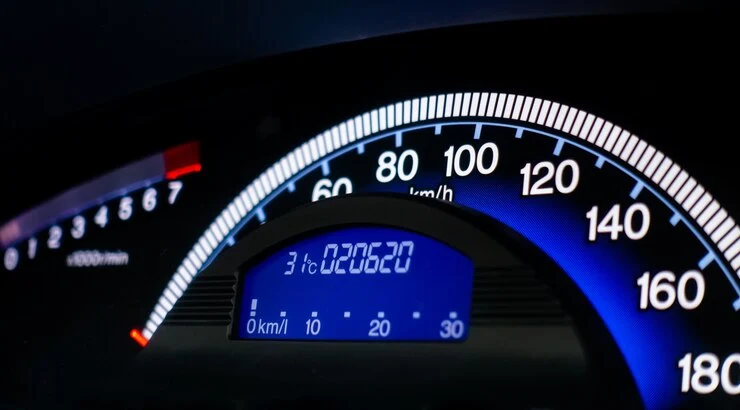

Service History Tracking

Service history tracking is the systematic recording, monitoring, and management of every maintenance event, inspection, and repair a vehicle goes through across its operational life. In fleet management, it means every vehicle's service record is accurate, accessible, and current — so managers can make decisions based on what's actually happened to each vehicle, not on assumptions.
Modern fleet management systems automate most of this process. Work orders, telematics alerts, and service provider invoices feed directly into the system, building a continuous record without manual data entry. The result is real-time visibility into vehicle health across the entire fleet — and a historical record that gets more useful the longer you maintain it.
Why It Matter In Fleet Operations
In a fleet of any meaningful size, it is not possible to manage maintenance effectively without a structured service record. Without one, decisions about scheduling, budgeting, and vehicle replacement are made on incomplete information — and incomplete information produces avoidable costs.
Service history tracking brings clarity, accountability, and long-term value to fleet operations. Here is where it has the most impact.
Maintenance planning that reflects reality
A complete service record shows exactly which components were replaced, when, and under what conditions. That removes the guesswork from scheduling and prevents two common and expensive mistakes: servicing components earlier than necessary, and missing service intervals because no one had a clear record of the last one.
Cost control and budget accuracy
Accurate maintenance records make it possible to forecast annual repair costs with confidence. Over time, analyzing service history across the fleet reveals which vehicle models cost more to keep on the road, which components fail most frequently, and where maintenance spend is concentrated. That information directly improves procurement and budget allocation decisions.
Longer operational vehicle life
Vehicles maintained consistently and on record run more efficiently, experience fewer unplanned breakdowns, and retain higher resale value when they eventually leave the fleet. A documented maintenance history is one of the clearest signals that a vehicle has been looked after — to your own team and to future buyers.
Compliance and audit readiness
Regulatory frameworks in transport — including DOT requirements in the US and road safety standards across the EU — require documented proof of regular inspections and repairs. A complete service history provides that audit trail without additional administrative work. Gaps in the record are the most common source of compliance exposure during inspections.
Resale and remarketing performance
When the time comes to sell or replace fleet vehicles, a documented service history is a tangible financial asset. Buyers pay more for vehicles with verifiable records because it reduces their uncertainty about what they're buying. Fleets that cannot produce service documentation typically accept lower resale prices as a result.
Supplier and vendor evaluation
Historical service data makes vendor performance measurable. When records include who performed each service, what was charged, and how the vehicle performed afterward, it becomes straightforward to identify which service providers deliver consistent quality and fair pricing — and which do not.
"Motor carriers, except for a private motor carrier of passengers (nonbusiness), must maintain, or cause to be maintained, records for each motor vehicle they control for 30 consecutive days. "
Example in Practice
A regional courier company operates 120 delivery vans across three depots. Every service event — from tire rotations to engine work — is logged in a central fleet management system, including mileage at time of service, work performed, parts used, and the service provider responsible.
After 12 months of consistent records, the data shows two clear patterns. Vans serviced at intervals under 12,000 km experienced 35% fewer unplanned breakdowns than those serviced at longer intervals. And one maintenance provider was consistently charging above market rates for comparable repairs.
Acting on that data, the company renegotiated with the higher-cost provider and shifted volume to better-value alternatives. Annual maintenance costs fell by 18%. Vehicle uptime improved by 25%.
Neither finding would have been visible without the service record. Both were valuable enough to justify the entire cost of the tracking system.
How it Works In a Fleet System
Digital work orders
Every repair or maintenance event generates a work order in the system. Completed work orders become permanent entries in the vehicle's service record, capturing date, mileage, work performed, parts used, cost, and the technician or service provider responsible.
Telematics integration
Fault codes and mileage data from telematics devices trigger automatic service reminders or log entries. When a vehicle reports a defect code, the system can create a service alert linked directly to that vehicle's record without manual input.
Vendor and service provider syncing
Service providers upload invoices and job cards directly into the platform. This removes the manual transcription step that introduces errors into maintenance records and ensures that external service work is captured in the same system as internal work.
Centralized document storage
Inspection reports, invoices, photographs, and compliance certificates are stored against each vehicle's record. The service history becomes a complete document trail — not just a log of events — accessible to fleet managers, compliance officers, and workshop teams from a single location.
KPIs to Track
Record completeness rate
Percentage of vehicles with a full, unbroken service history. Gaps in the record create compliance risk and reduce the value of the data for forecasting and analysis.
Mean time between unplanned repairs
Average mileage or time elapsed between reactive (unscheduled) repairs. A rising figure suggests preventive maintenance intervals are too long or consistently missed.
Scheduled vs. unscheduled maintenance ratio
The proportion of maintenance work that was planned in advance vs. triggered by a breakdown or defect report. Fleets with strong service history tracking typically shift this ratio toward scheduled work over time.
Service interval compliance
Percentage of vehicles serviced within the recommended mileage or time window. Late service is the most common source of avoidable component failures.
Cost per vehicle per service event
Average maintenance cost by vehicle model, age, and service provider. Tracking this over time identifies which vehicles are becoming disproportionately expensive and which service providers are delivering poor value.
Downtime per maintenance event
Hours or days a vehicle is out of service for each maintenance event. This measures workshop efficiency and parts availability, not just the maintenance itself.
Implementation Tips
Start at vehicle intake
Enter each vehicle's full service history into the system when it joins the fleet, including any records inherited from the manufacturer or previous operator. A record that starts on day one is far more useful than one that begins whenever the system was first adopted.
Standardize work order fields
Define what information must be captured on every work order — mileage, parts used, labor hours, technician ID — and make those fields mandatory. Inconsistent records are almost as unhelpful as no records at all.
Connect telematics to service records
Configure your telematics system to write fault codes and mileage triggers directly into the service record. Manual data entry is slow and introduces errors; automation removes both problems.
Give service providers direct access
If your service providers submit invoices and job cards manually, you are introducing a transcription step that creates errors and delays. Most modern fleet management systems offer a supplier portal or API for direct submission — use it.
Set service reminders with enough lead time
A reminder that fires when a vehicle is already overdue for service is not useful. Set alerts to trigger at 80% of the service interval, giving schedulers time to book the vehicle in before the deadline.
Review the record before authorizing repairs
Before approving any repair order, check the vehicle's service history. A repair that repeats work done recently may indicate a quality issue with a previous service provider, or a recurring defect worth escalating rather than patching.
Use history data in vehicle replacement decisions
When evaluating whether to retain or replace a vehicle, service history provides the most objective input available. Cost per km, frequency of unplanned repairs, and component replacement patterns all tell you what the vehicle will likely cost over the next 12 to 24 months — before you commit to keeping it.