
Parts Inventory Management for Fleets: A Practical Guide

Parts inventory management is the practice of keeping the spare parts a fleet needs — in the workshop or at a partner's warehouse — tracked, stocked, and connected to maintenance work. That means detailed records of every part: what it is, where it came from, where it's stored, and how quickly it moves.
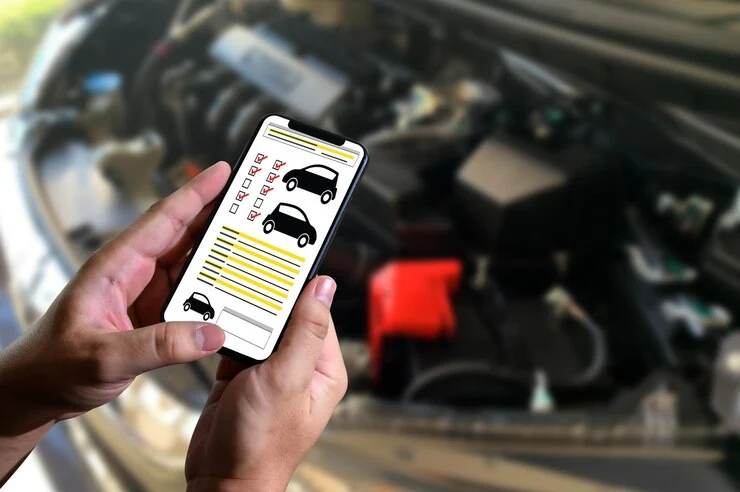
Fleet and maintenance management systems (FMS) handle this through integrated inventory modules. The system tracks stock levels, triggers a reorder alert when inventory dips below a defined threshold, and traces every part used back to the maintenance record it belongs to. That automated connection between inventory and maintenance work is what turns a parts shelf from a source of surprises into something managers can plan around — faster to work with, more accurate, and cheaper to run.
Why it matters in fleet operations
For a fleet of any size, poor inventory management compounds quickly: a wrong or misplaced component delays the repair, extends labor time, and keeps the vehicle off the road longer than the job requires. Every extra day a vehicle sits idle is unearned revenue — for a delivery fleet, often hundreds of dollars per vehicle per day. Managed well, parts inventory delivers operational, financial, and strategic advantages.
Reduced vehicle downtime
When a vehicle breaks down or comes in for scheduled maintenance, having the right parts in stock means the work happens on time. Without adequate inventory, vehicles can sit idle for days waiting on a delivery. Keeping fast-moving items — filters, belts, brake pads — in stock significantly shortens turnaround for both repairs and scheduled maintenance.
Cost control and budget efficiency
Real-time visibility of stock levels and usage rates lets managers order only what's necessary, avoiding both shortages and excess stock that ties up cash or becomes obsolete. Tracking how parts perform over time adds a second layer of control: the data shows which suppliers consistently deliver quality parts and which don't, so purchasing decisions rest on evidence rather than habit.
Simpler maintenance operations
Integrated parts management removes the chaos of manual recordkeeping. When a mechanic opens a work order, the software deducts the parts used, updates the vehicle's service history, records which technician did the job, and raises an alert if stock falls below its threshold. Every part is transparent and traceable, connected directly to the vehicle and the job it went into.
Accountability and fraud prevention
With digital inventory control, every part movement — from receipt to installation — is recorded. That visibility prevents unauthorized withdrawals and misplaced stock, and makes every workshop transaction auditable at any time. Over time, this transparency builds trust within the team and simplifies compliance with industry regulations.
Better forecasting and planning
Actual usage data lets managers forecast demand from maintenance trends. If a specific truck model needs a fluid replacement every 40,000 km, the system can predict when that service is due and plan it around the vehicle's scheduled trips. Forecasting like this makes long-term maintenance planning more reliable and cuts the cost of emergency procurement.
Key components of efficient parts inventory management
Minimum stock level alerts
Set a minimum quantity for both critical and non-critical parts. When stock hits the threshold, the system flags it — so key parts are always available, emergency orders become rare, and rush-freight fees stop eating into the budget.
Supplier integration
Maintain vendor lists with pricing, delivery times, and warranty terms. Keeping this data current means the fleet always knows which supplier offers the most reliable part at the best price.
Real-time reporting
Current inventory levels and historical usage patterns in one view. Reporting highlights trends, spots emerging shortages early, and gives purchasing decisions an accurate foundation.
Traceability
Every part is linked to its source, its storage location, and the work order it was installed on. When a component fails early or a warranty claim comes up, the full history — which batch, which vehicle, which technician — is available in seconds.
Cost calculation
The system tracks what each part costs to buy, hold, and use, and rolls that up per vehicle and per job. Managers see the true parts cost of running each vehicle — the number that feeds repair-versus-replace decisions and maintenance budgets.
Benefits beyond maintenance
Improved financial visibility
Clear records show the total value of inventory on hand and total spend on spare parts — solid inputs for budget planning.
Better vendor relationships
Detailed data on prices, reliability, and delivery times strengthens your position in supplier negotiations.
Sustainability impact
Real usage statistics reduce waste and overstocking, supporting leaner, more eco-conscious operations.
Data-driven insights
Because the system gathers detailed history on every part, it becomes much easier to identify high-failure components and recurring maintenance issues. That evidence feeds better decisions on both preventive maintenance and procurement.
When inventory data joins maintenance history and performance analytics, the everyday work of a fleet manager gets easier — and purchasing and maintenance decisions get smarter.
Example in practice
Josh, a head mechanic at a company running more than 50 delivery trucks, kept meeting the same frustrating sight: empty shelves where crucial components should be. Stock information was fragmented across spreadsheets and memory, so the maintenance team faced repeated delays waiting on parts nobody knew were missing.
The company adopted integrated fleet maintenance software with an inventory module. Within months, the results showed up in the numbers:
- - 35% reduction in out-of-service time, driven by faster repair turnaround.
- - 20% improvement in inventory efficiency, with automated alerts keeping stock at optimal levels.
- - Full traceability — managers could see exactly which parts were installed, by whom, and during which maintenance visit.
Better visibility of stock levels meant fewer delays, and fewer delays meant more trucks earning on the road instead of waiting in the workshop.